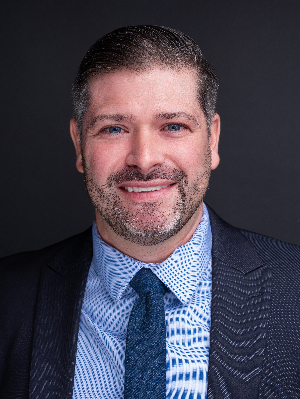
David counsels charter schools on the complex laws and regulations governing special education. He handles all phases of due process hearings, representing clients in the full spectrum of IEP matters. David provides guidance regarding IEP meetings, assessments, prior written notices, related services, discipline, offers of FAPE, drafting IEPs, and issues regarding 504 plans. After practicing law for several years, David became an Education Specialist. He worked in charter schools, both as a case manager/teacher and as an administrator. He has since returned to practicing law, bringing education clients his experience as both a teacher and a school administrator.
Student behavior is one of the highest-risk areas in special education for California charter school…Student behavior is one of the highest-risk areas in special education for California charter schools, particularly as legal standards around discipline, restraint, and manifestation determinations continue to tighten. This session will examine how behavioral incidents, if not handled appropriately, can quickly lead to claims under the Individuals with Disabilities Education Act (IDEA), Section 504 of the Rehabilitation Act of 1973 (Section 504), and disability discrimination laws.
Participants will learn the legal and operational requirements governing manifestation determination reviews (MDRs), functional behavior assessments (FBAs), and behavior intervention plans (BIPs), with a focus on common mistakes and “misses” that expose charter schools to liability. The session will also refresh schools on California’s restrictions on restraint and seclusion, including what staff can and cannot do during a behavioral crisis.
Designed for charter school administrators and special education teams, this presentation emphasizes real-world decision-making, how to respond in the moment, how to document incidents properly, and how to align discipline practices with special education obligations. Special attention will be given to the tension between maintaining school culture and meeting legal requirements for students with disabilities, including consideration of the least restrictive environment (LRE).
Using examples from California Office of Administrative Hearings decisions and compliance findings, the session will highlight patterns that lead to findings of denial of a free appropriate public education (FAPE) and provide practical strategies to reduce risk. Participants will leave with tools and strategies to improve behavioral supports while minimizing legal exposure.
Special education and employment issues can overlap in ways that create significant challenges for s…Special education and employment issues can overlap in ways that create significant challenges for school leaders. This presentation explores the relationship between student needs, employee performance, and legal compliance. Participants will learn how student behaviors can affect employee working conditions, safety concerns, leave requests, and burnout. The session will also examine how employee misconduct, poor performance, inadequate supervision, and failure to implement IEPs can negatively impact students and expose schools to legal risk.
The presenters will share real-world examples to discuss how schools can handle both the student side and the employee side. The presentation will provide best practices on balancing special education obligations with employment law requirements to improve student outcomes, reduce employee burnout and turnover, and create a healthier, more effective school environment.
Participants are encouraged to consider:
- What do you do when a Gen. Ed. teacher refuses to support behavior interventions?
- What do you do when a student repeatedly engages in inappropriate or dangerous physical conduct with an aide?
Participants should come prepared to discuss the toughest scenarios - and walk away empowered with actionable guidance.